Common Problems With Sash Windows & How to Fix Them
Older sash windows can develop a range of problems over time, particularly where frames, glazing or moving components have deteriorated. Common issues include sticking sashes, draughts, condensation, rattling, damaged timber and windows that no longer open or close as smoothly as they should.
Traditional timber sash windows can perform extremely well when properly maintained, but exposure to moisture, changing temperatures and general wear can eventually affect their condition. Gaps around the frame may contribute to draughts, while worn components can interfere with the sliding mechanism. Condensation may also appear when indoor humidity is high or when the glass surface becomes particularly cold, although condensation does not necessarily mean the window itself has failed.
The good news is that not every sash window problem requires complete replacement. Depending on the condition of the window, repairs, refurbishment, draught proofing or improved ventilation may be enough to restore performance. Where deterioration is extensive or repeated repairs are becoming impractical, modern replacement sash windows can offer an alternative. In this guide, we explain the most common sash window problems, what may be causing them and the practical steps you can take to put them right.
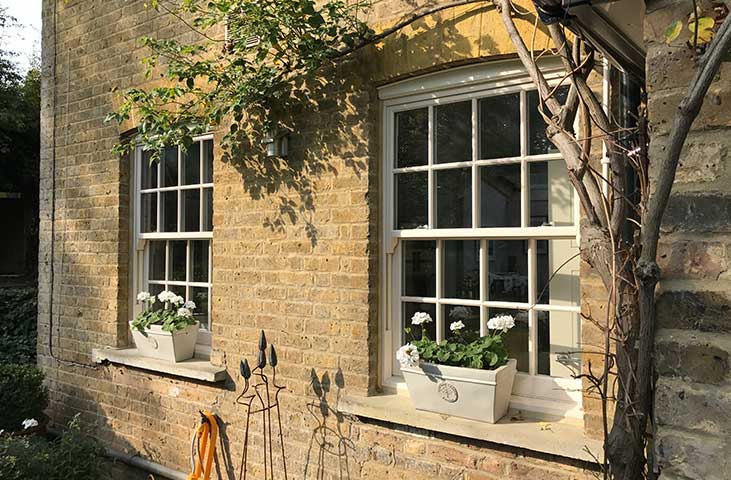
What are the Most Common Sash Window Problems?
Your sash window might already be experiencing problems. One great way to check how they’re performing is to see how the windows open. Most old sash windows have either a traditional opening or a vertical mechanism that allows the windows to slide upward seamlessly. However, if you find that your sash windows are creaking, sticking in certain parts of the opening, or even squeaking, it’s a good sign they are experiencing issues.
Your sash windows could also be suffering from condensation. Condensation develops when hot air inside your home and cold air outside your home collide, often through gaps in windows where the frame has separated. As a result, condensation is a sign that your timber sash windows have poor insulation or even that the sealant in your windows is beginning to wear down. You could also be suffering the effects of draughts, making your living space colder.
However, the most common sash window issue is timber wear. While sash windows look brilliant when you install them, they begin to lose their looks after only a few years. Most older timber sash windows need repainting every four years, and other problems can occur soon after. As a result, the best fix for these sash window problems is to make a lasting change that lets you invest in your home’s future.
What Causes Problems in Sash Windows?
The most common sash window problems result from the manufacturing process. Older designs have fewer durable components in every department, not just older frames. You might have a window without resilient security hardware, parts that help withstand wind and rain, or even single-glazed glass that offers little insulation. As a result, classic sash windows are much more fragile.
Problems like these, though, are exacerbated by wooden frames. Timber sash windows struggle badly in poor weather conditions. Not only do wind and rain cause wooden frames to crack, twist, rot, and decay, but water can also seep into the timber, creating gaps. As a result, cold air can rush through your home, meaning warm air can escape your property and leave you dealing with the cold when you don’t want to.
All of this means that if one part of sash windows isn’t as durable as another, it can leave the whole window exposed. So, how do you fix the most common sash window problems if you begin to experience them? While one option is to get sash window repairs or carry these out yourself, it might only be a temporary solution. In the end, wooden frames in old sash windows always fail, meaning you could be spending money and energy for no lasting gain.
| Problem | Repair may be appropriate | Replacement may be worth considering |
|---|---|---|
| Minor draughts | Draught proofing/seals | Extensive frame deterioration |
| Sticking sash | Adjustment/refurbishment | Distorted or badly damaged frame |
| Failed hardware | Replace components | Multiple wider failures |
| Localised timber damage | Timber repair | Extensive rot |
| Poor thermal performance | Secondary glazing | Upgrade to modern double glazing |
| Failed sealed unit | Replace glazing/unit | Wider window deterioration |
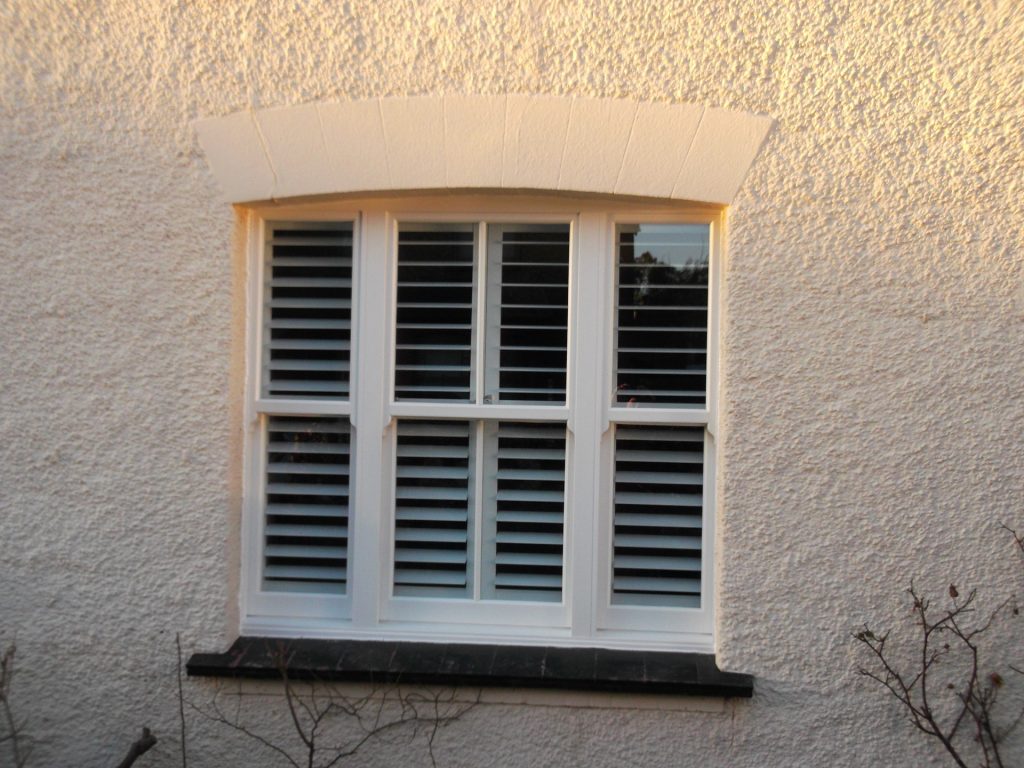
How to Fix the Most Common Sash Window Problems?
If you’re suffering from any of these common sash window problems, there’s one solution for them all. You could replace your old, underperforming timber sash windows with new designs from the Rose Collection. Rather than sticking with old timber frames, we supply sash windows with stunning uPVC frames and replicate timber joinery in our designs. Because of this, your windows will still look like classic designs from the outside.
However, what won’t be the same is the performance your new uPVC sash windows will offer your home. You can benefit from superb thermal efficiency, keeping your home warmer and lowering your energy bills. Our sash windows offer impressive noise reduction thanks to multi-chambered uPVC profiles, and they’re secure with high-strength locks and even optional restrictors. Finally, our replacement sash windows are fully customisable and available in three collections – Ultimate, Heritage and Charisma – to suit you.
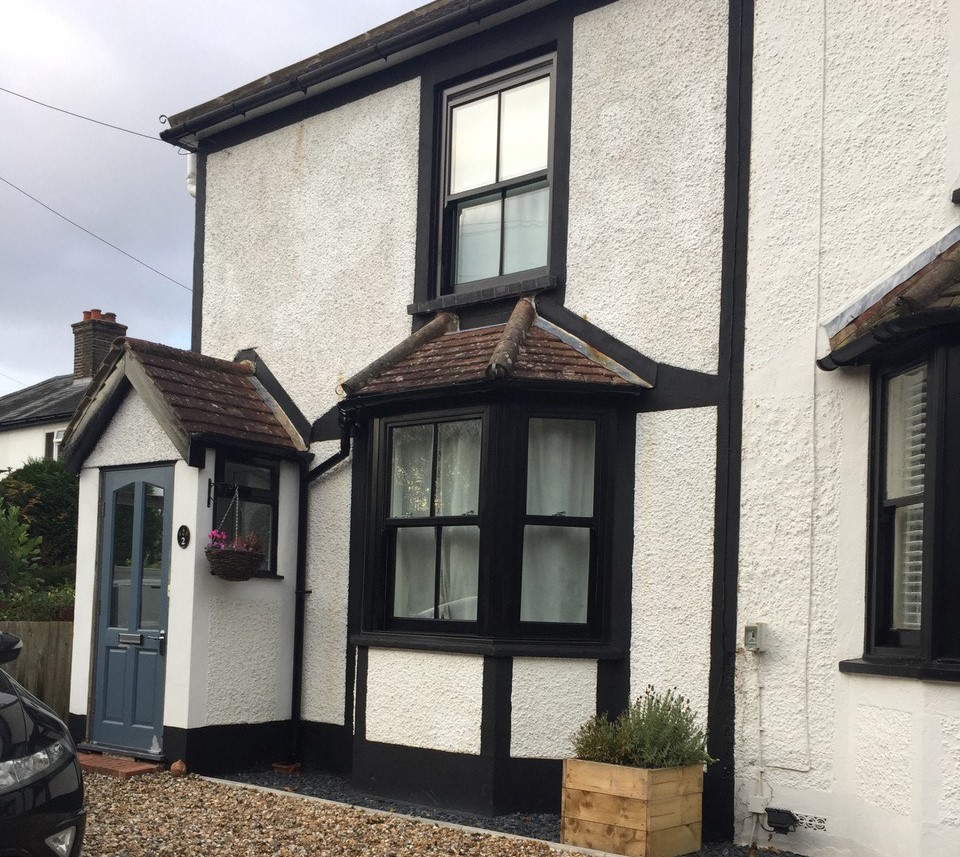
If you’d like to find out more about installing our sash window designs, use the find an installer tool on our website today. Alternatively, you can design your dream sash windows and see how much they’ll cost with our online window designer. You can even request a brochure to see our full range. If you want to fix the most common sash window problems in your home, choose Rose Collection’s leading designs for your wooden sash window replacement with uPVC, and contact us today!
Categories: Rose Collection
Tags: common sash window problems, most common sash window problems, sash window, sash windows