Casement Windows vs Sash Windows: Which Is Right for Your Home?
The main difference between casement windows and sash windows is how they open. Casement windows are hinged and usually open outwards, while traditional sliding sash windows feature glazed panels that move vertically within the frame. Both styles have their advantages, but choosing between casement windows vs sash windows depends on your property’s architecture, ventilation requirements, budget and personal preferences.
At Roseview, we specialise in timber-alternative sliding sash windows that combine traditional design with modern performance. Here’s what you should consider before deciding which window style is right for your home.
Casement Windows vs Sash Windows: Key Differences
Casement and sash windows offer different opening mechanisms, appearances and practical benefits.
| Feature | Casement Windows | Sash Windows |
| Opening mechanism | Hinged, usually outward-opening | Vertical sliding |
| Appearance | Traditional or contemporary | Classic period styling |
| Ventilation | Wide opening, depending on design | Adjustable upper and lower openings |
| External clearance | May require space outside | No outward projection |
| Maintenance | Depends on materials and hardware | Depends on materials and hardware |
| Best suited to | Modern and traditional properties | Particularly suited to period homes |
How Do Casement and Sash Windows Work?
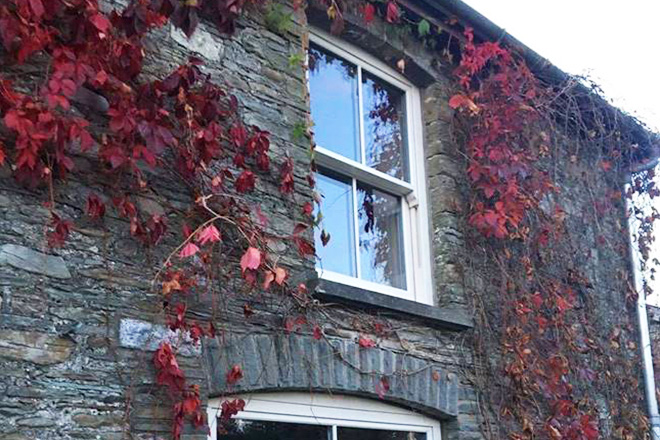
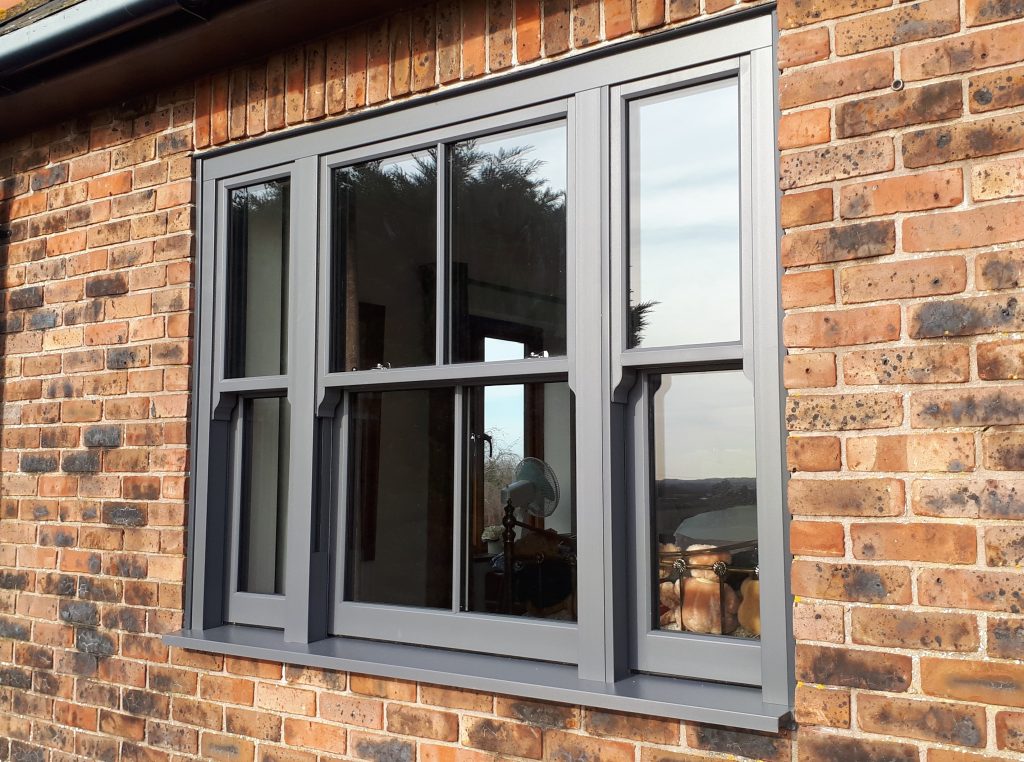
Casement windows operate using hinges attached to the frame. Depending on the design, the opening section may be side-hung or top-hung, allowing fresh air into the property. Sliding sash windows use two glazed sections that move vertically within the frame. Opening the upper or lower sash allows homeowners to control airflow without the window projecting outwards.
Modern uPVC sash windows can also include tilt-in functionality, allowing the exterior glass to be cleaned from inside the property. Both opening styles are practical, but their different mechanisms influence ventilation, cleaning and suitability for particular window openings.
Which Window Style Provides Better Ventilation?
Both sash and casement windows can provide effective ventilation, although they allow air to circulate differently. Casement windows can create a large opening that lets fresh air enter directly, particularly when positioned to catch a breeze.
Sliding sash windows offer a different advantage. By opening the upper and lower sashes together, warm indoor air can escape through the top while cooler outside air enters below. This natural airflow can help regulate indoor temperatures and improve comfort during warmer weather. The best option depends on window dimensions, opening restrictions, wind conditions, and your home’s ventilation needs.
Which Windows Look Better on Period Properties?
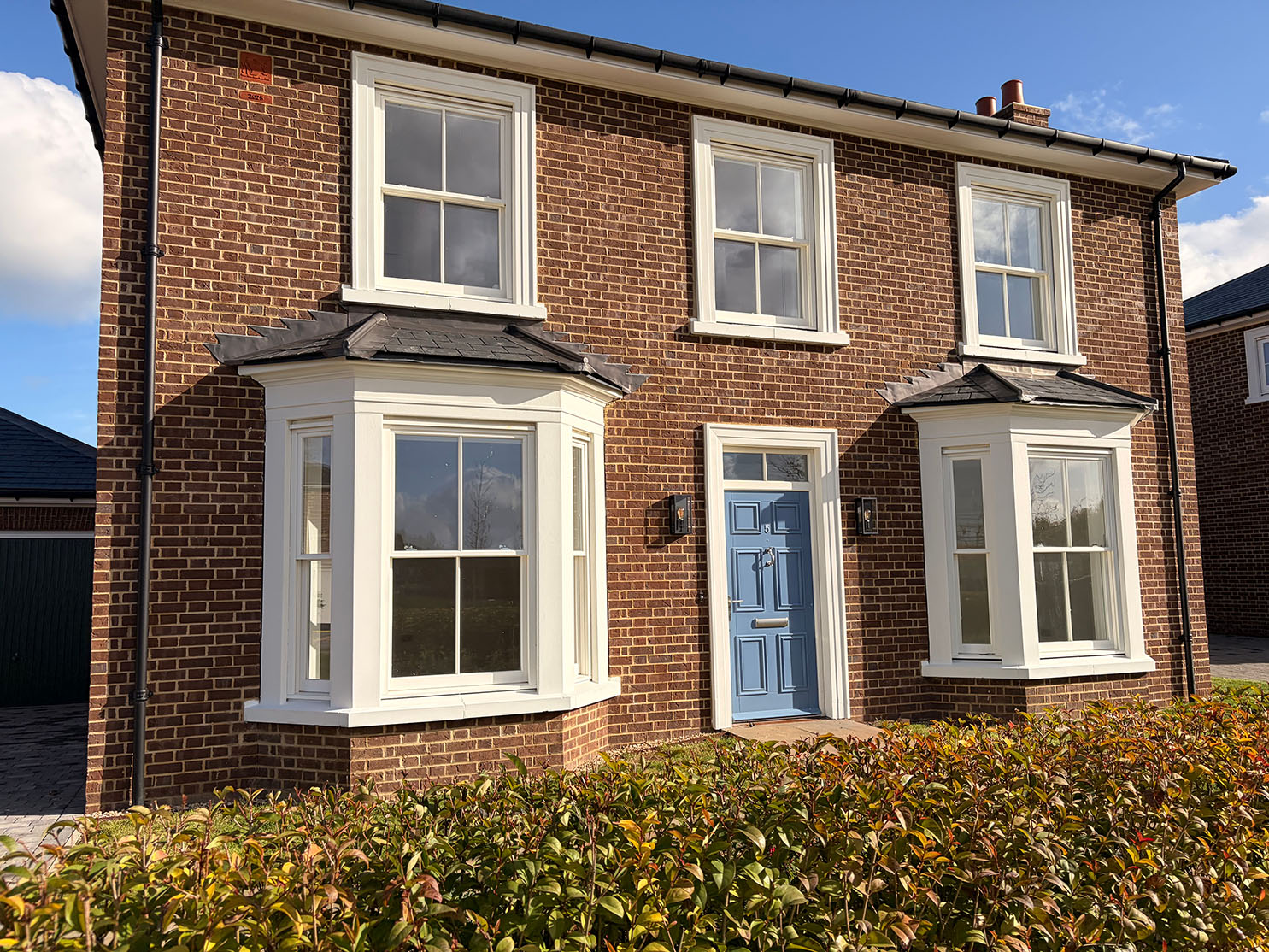
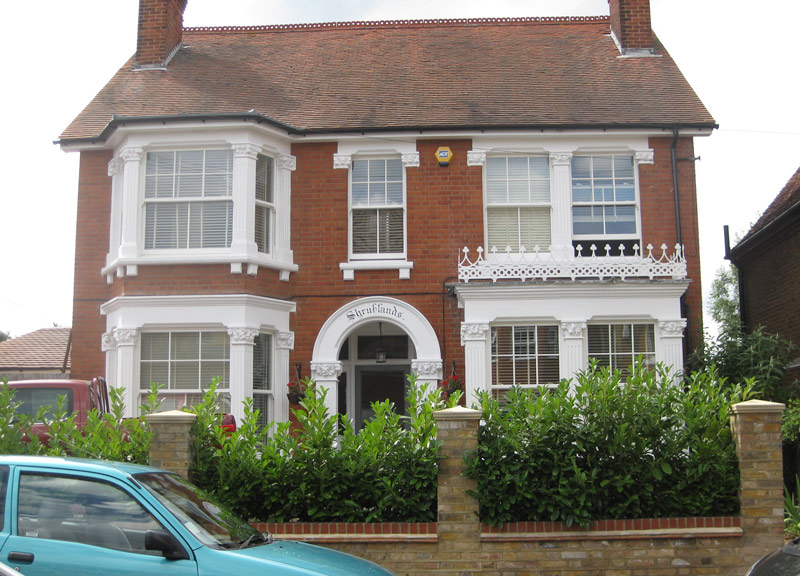
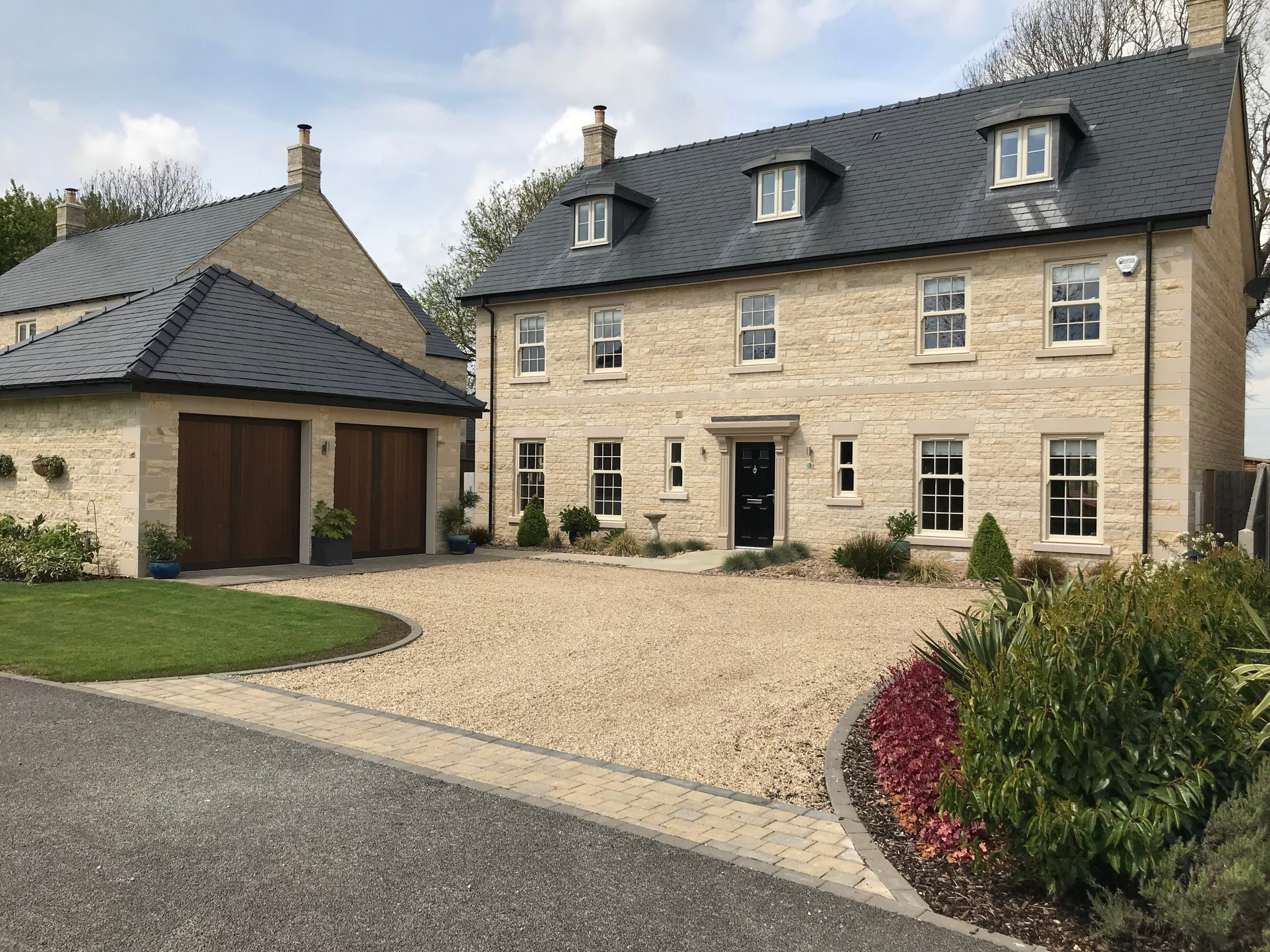
Sash windows are particularly associated with Georgian, Victorian and Edwardian architecture, making them a popular choice for traditional homes. Their slim proportions, glazing-bar arrangements and decorative detailing help create the distinctive appearance of historic British buildings. Casement windows also have a long architectural history and can be equally appropriate for cottages and other traditional properties. Where a building originally featured sliding sashes, however, a carefully specified replacement sash window can help preserve its historic character.
Our guide to traditional sash window styles explores the differences between Georgian, Victorian and Edwardian designs. If your property is listed or historically significant, original windows should be assessed before replacement. Historic England’s guidance on maintaining historic windows explains why repair and sensitive upgrading should be considered.
Are Casement Windows More Energy Efficient Than Sash Windows?
Neither casement nor sash windows are automatically more energy efficient. Thermal performance depends on the glazing, frame construction, weather seals, and installation quality. Modern double-glazed windows can provide excellent insulation in either style. As the Energy Saving Trust explains, window energy ratings consider heat loss, air leakage and solar gain, making them useful when comparing different products. Our sash windows by the Rose Collection achieve an A energy rating as standard, combining traditional styling with modern thermal performance. Similarly, acoustic performance and security depend on the full window specification, not just the opening mechanism.
Which Windows Are Easier to Maintain?
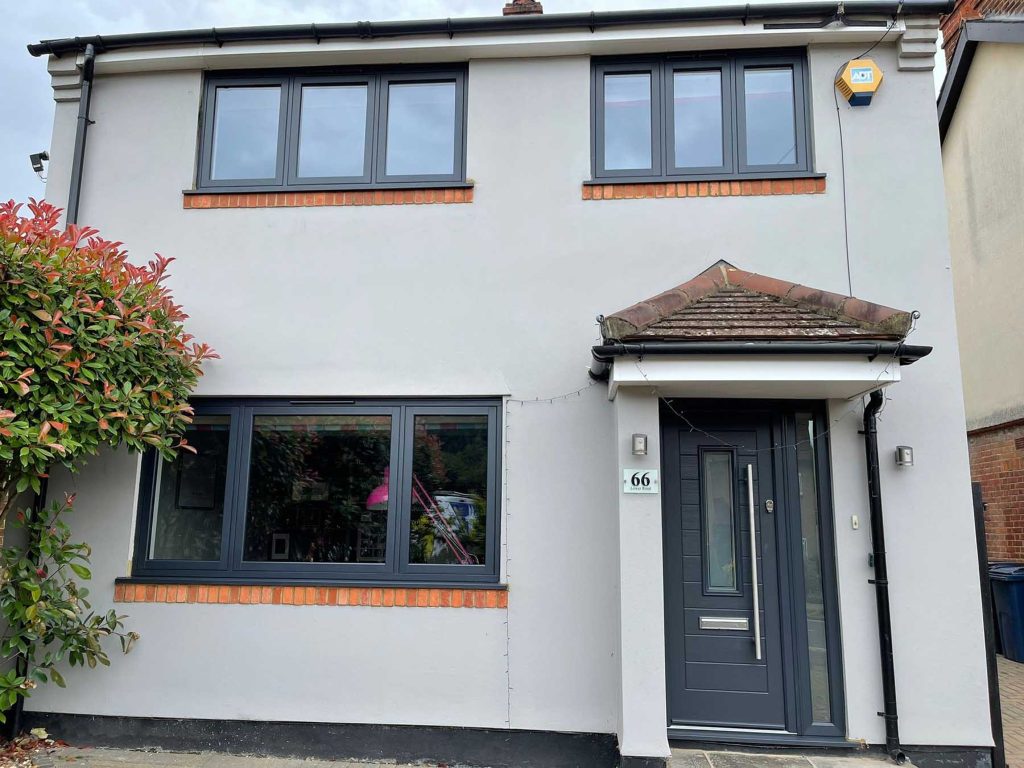
Maintenance requirements depend primarily on the window material, finish and operating components. Traditional timber casement and sash windows may require periodic repainting and maintenance to protect their frames. Modern uPVC alternatives offer reduced upkeep, with no need for regular repainting. Our Rose Collection sliding sash windows also feature inward-tilting sashes, making exterior glass cleaning more convenient, particularly on upper floors. However, both window types still require routine cleaning and occasional checks of moving components, seals and hardware.
Are Sash Windows More Expensive Than Casement Windows?
The cost of casement and sash windows depends on their materials, dimensions, glazing, design complexity and installation requirements. Sash windows often involve more specialised mechanisms and traditional detailing, which can influence their price. However, one style is not automatically more expensive in every situation. For an accurate comparison, homeowners should request quotations based on the same glazing performance, security requirements and installation conditions.
Discover the Rose Collection
For homeowners who prefer the classic appearance of sliding sash windows, our Rose Collection offers three distinctive uPVC designs.
Ultimate Rose is our premium timber-alternative sash window, featuring a slim 35mm meeting rail, true mechanical joints and authentic period detailing.
Heritage Rose combines traditional appearance with modern performance, offering slim sightlines and carefully recreated timber-style features.
Charisma Rose provides a more contemporary, cost-effective option suitable for both traditional and modern properties.
All three models offer the benefits of modern uPVC construction alongside traditional vertical sliding operation.
Choosing Between Casement Windows and Sash Windows
When comparing casement windows vs sash windows, the best choice suits your property’s character, practical requirements, and preferred appearance. Casement windows offer versatile opening configurations, while sliding sash windows provide traditional styling, controlled ventilation and a distinctive vertical opening mechanism.
If you’re considering sash windows for your home, explore our Rose Collection or find your nearest approved installer to discuss the available designs and specifications.
Categories: Rose Collection, uPVC Sash Windows