How London Became the City of Sash Windows
From elegant Georgian squares to rows of Victorian terraces, sash windows have become one of London’s most recognisable architectural features. Their tall proportions, sliding operation and traditional glazing patterns appear across the capital, helping give historic streets their distinctive character.
But London did not become the city of sash windows overnight. Their popularity grew alongside changes in architecture, building regulations, glass manufacturing, and the city’s expansion.
When Did Sash Windows First Appear in London?
Sash windows became fashionable in England during the late 1600s. Some of the earliest examples are at Ham House in Richmond. Examples of sash window designs from the 1670s show features that later became familiar across London. Unlike a traditional casement window, a sliding sash moves up and down within its frame. Eventually, counterweights, cords, and pulleys became the standard mechanism used, making the design both practical and elegant.
The Great Fire of London in 1666 also changed how the city was rebuilt, encouraging more regulated brick construction. However, the fire did not itself invent sash windows or make them compulsory.
Why Did Georgian London Embrace Sash Windows?
Georgian London embraced sash windows because they suited the period’s preference for symmetry, proportion and orderly townhouses.
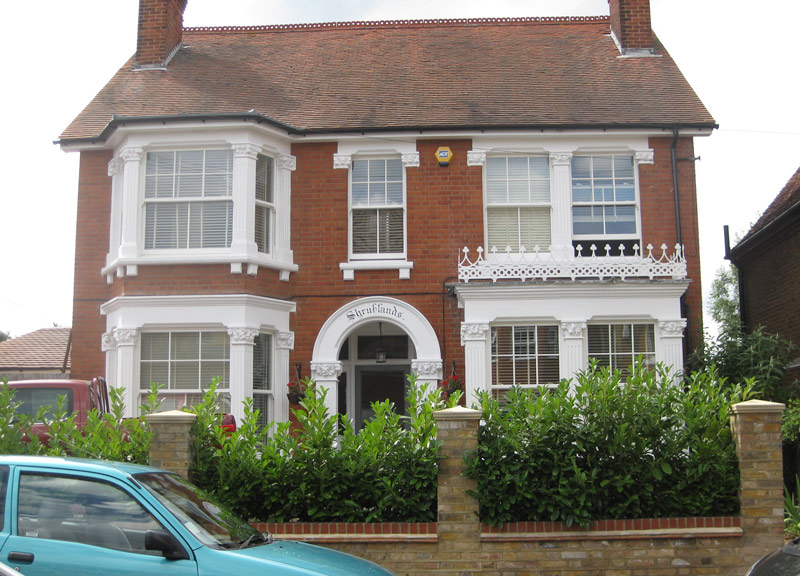
As residential squares and terraces developed, evenly spaced sash windows helped create consistent façades. Bloomsbury offers a particularly clear example: Bedford Square, begun in the 1770s, remains one of London’s best-preserved Georgian settings. The classic Georgian sash window often used a six-over-six arrangement, with six smaller panes in each sash. Glazing bars were needed because manufacturing large pieces of glass was difficult and expensive at the time.
London’s building regulations also influenced their appearance. 1709 regulations required sash boxes to sit back from the wall face, while later changes encouraged deeper window frames. These details became part of the city’s familiar brick-and-sash streetscape.
What Made Sash Windows Practical for London Homes?
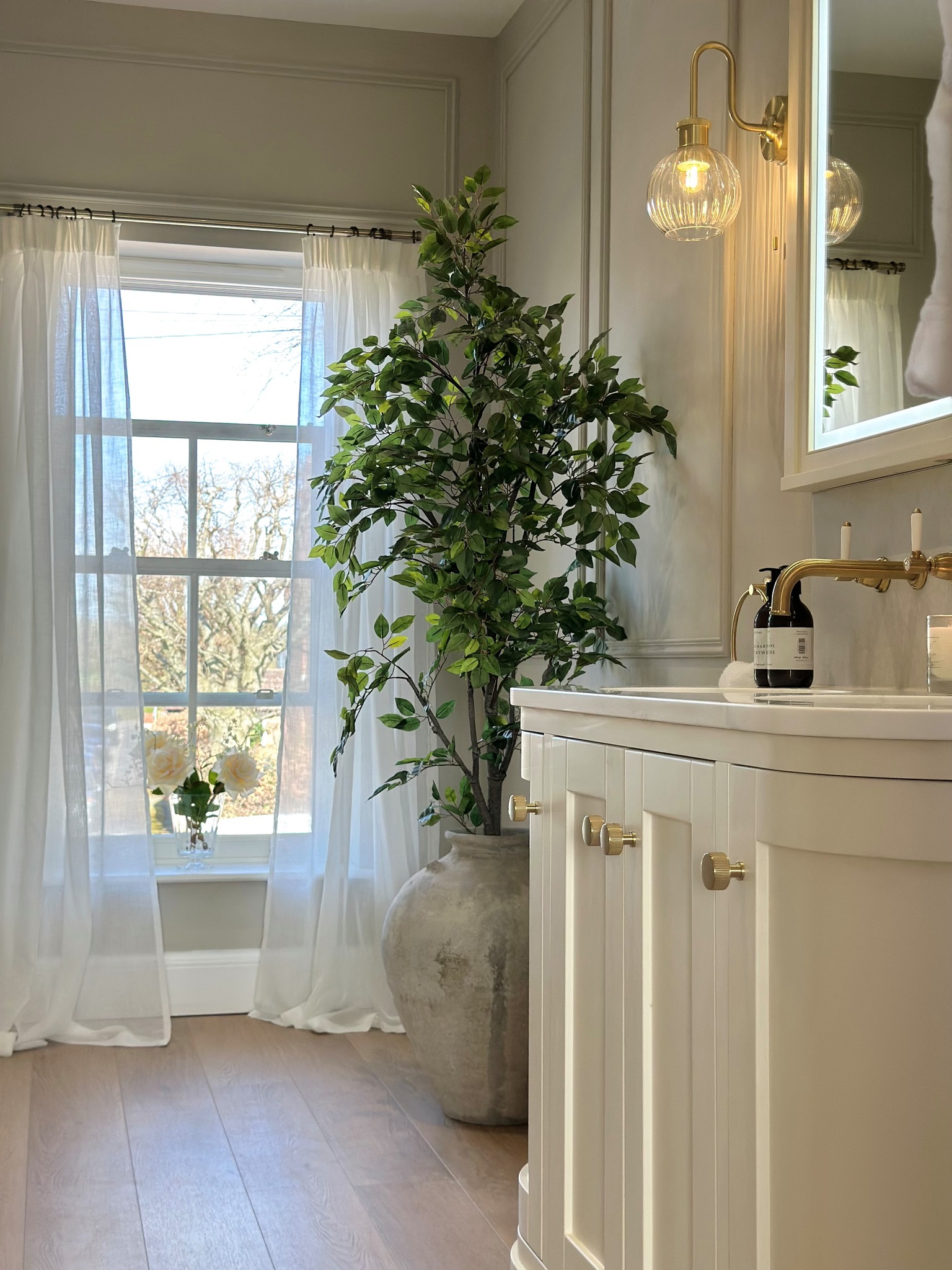
Sash windows were not simply fashionable; their vertical operation also suited closely built London properties. Because the sashes slide within the frame, they do not project into the street or obstruct outdoor space when opened. Opening the top and bottom sections encourages natural ventilation, letting warmer air escape through the upper opening while cooler air enters below. Tall windows let in daylight and fit well with the balanced proportions favoured in Georgian townhouses. These practical qualities helped the design remain appealing long after its earliest introduction.
How Did Victorian and Edwardian London Change Sash Window Design?
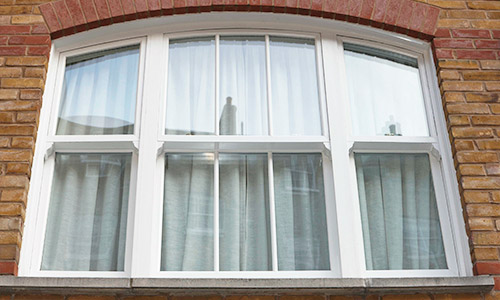
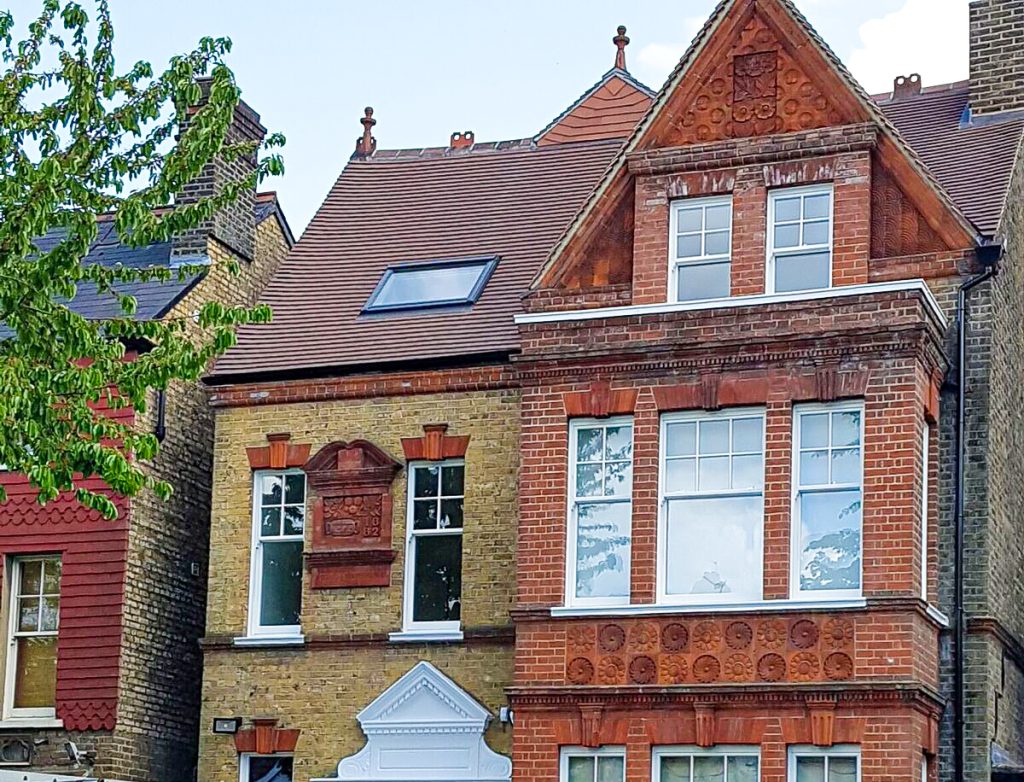
Victorian sash windows evolved as glass production improved and London’s housing expanded during the 19th century. Larger panes became more widely available, so windows needed fewer glazing bars. Two-over-two arrangements became popular, and sash horns were introduced to help reinforce timber joints supporting the heavier glass. The result was a different appearance from the earlier Georgian grid, with fewer divisions, larger glazed areas and more visible joinery details.
Edwardian designs often blended influences from both periods. For example, a six-over-two arrangement could combine decorative smaller upper panes with larger lower panes. These patterns were common, not universal. Original London sash windows vary by building age, neighbourhood and subsequent alterations.
Why Are Sash Windows Still Important to London’s Character?
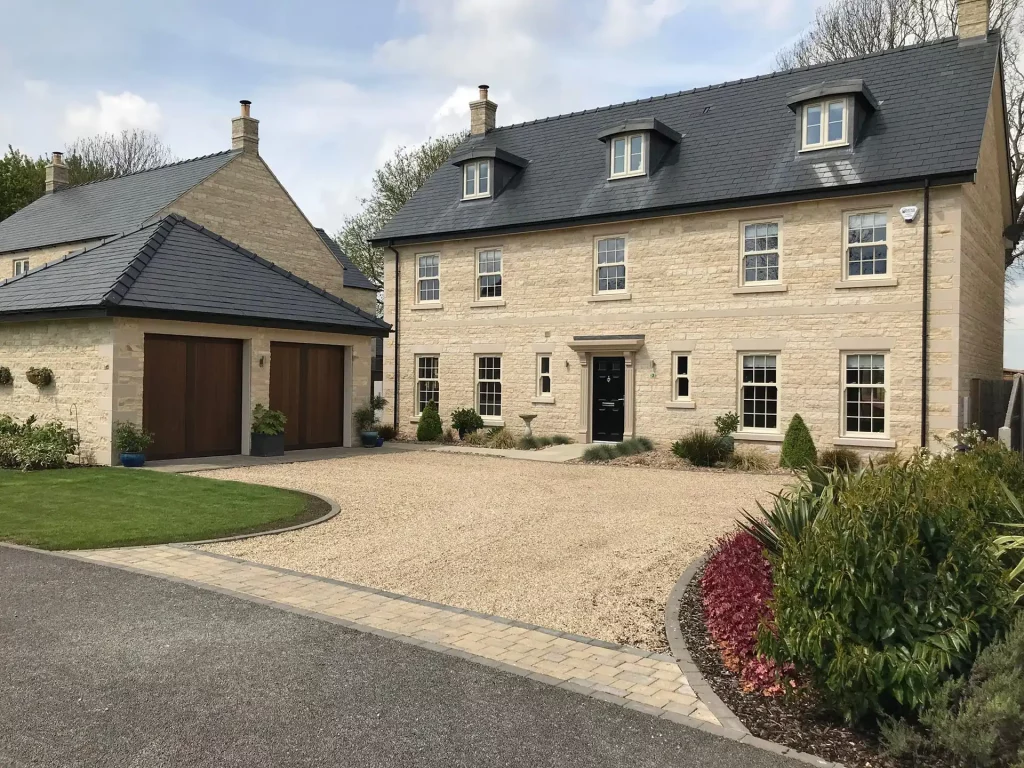
Traditional sash windows remain important because they contribute to the architecture and historic fabric of London’s buildings. Their proportions, glazing bars, timber profiles and relationship with surrounding brickwork help distinguish different periods of development. Replacing an inappropriate modern window with a historically suitable design can sometimes restore that character.
However, surviving original windows should not automatically be replaced. Historic timber windows can often be repaired, draught-proofed or upgraded while preserving valuable materials and artistry. For listed buildings, conservation areas and properties affected by Article 4 Directions, homeowners should check local planning requirements before making alterations.
Traditional London Style with Modern Sash Windows
Where appropriate, modern uPVC sash windows can recreate classic London styling while delivering contemporary thermal efficiency, security and low-maintenance performance. Our Rose Collection includes Ultimate Rose, Heritage Rose and Charisma Rose. Ultimate Rose prioritises timber-style authenticity through features such as slim meeting rails, mechanical joints and traditional sash horn options.
Heritage Rose offers traditional styling and slim proportions, while Charisma Rose provides a more contemporary, cost-effective take on the classic sliding sash window. The right choice depends on the property’s architectural character and the level of traditional detailing required.
Discover Sash Windows Inspired by London’s Heritage
London became the city of sash windows through centuries of architectural change, from early fashionable houses to Georgian terraces and Victorian streets. Their lasting appeal comes from combining practical vertical operation with the proportions and craftsmanship associated with historic British homes.
Explore the Rose Collection to compare traditional sash window designs, or find a Roseview-approved installer to discuss a suitable specification for your property.
Categories: Rose Collection, uPVC Sash Windows