Keeping Condensation Out of Your Sash Windows
Condensation on sash windows is common in UK homes, especially during the colder months. Water droplets on the glass can affect your windows’ appearance and, if left untreated, contribute to damp, mould, and damage to surrounding surfaces.
What Causes Condensation on Sash Windows?
Condensation on sash windows occurs when moisture in the surrounding air meets a cold surface and cools sufficiently to form water droplets. Everyday activities such as cooking, showering, and drying clothes can release moisture into your home. When this moisture isn’t adequately removed, indoor humidity can rise. During winter, window glass is often colder than the surrounding indoor air, making it a common surface for condensation.
Older single-glazed sash windows can be particularly susceptible because their glass generally provides less thermal insulation than modern double glazing. However, even high-performance windows can experience condensation when indoor humidity is excessive.
Understanding Different Types of Window Condensation
Identifying where condensation appears is the first step towards finding the right remedy.
Condensation on the Inside of Sash Windows
Condensation on the room-facing glass typically occurs when warm, moist indoor air meets a colder window surface. Small amounts of condensation on particularly cold mornings are not necessarily a sign of window failure. However, constant moisture can indicate that your home would benefit from better ventilation or improved humidity control.
Condensation Between Double-Glazed Panes
Moisture trapped between the panes of a double-glazed sash window usually indicates that the sealed glazing unit has failed. When the seal deteriorates, moisture can enter the space between the panes and reduce the glazing unit’s insulating performance. Unlike surface condensation, moisture trapped inside a sealed unit cannot usually be resolved through everyday ventilation. A glazing specialist should assess whether the sealed unit can be replaced without replacing the entire window.
Condensation on the Outside of Sash Windows
External condensation can occur when the outer glass surface becomes colder than the surrounding outdoor air. This is often associated with effective double glazing, where heat is being retained indoors rather than warming the external pane. External condensation is generally harmless and usually clears naturally as outdoor conditions change.
How Can You Prevent Condensation on Sash Windows?
The most effective way to reduce condensation is to manage indoor moisture levels while maintaining adequate ventilation and heating.
Improve Ventilation Throughout Your Home
Good ventilation removes moisture-rich indoor air and replaces it with fresh outside air. Sliding sash windows offer flexible ventilation because you can open the upper and lower sashes independently. Opening both sashes lets warmer air escape through the upper opening while cooler air enters below, encouraging natural air circulation when outdoor conditions are suitable. Regularly ventilating bedrooms, kitchens and bathrooms can help reduce moisture build-up.
Discover more in our guide to improving ventilation with sash windows.
Use Trickle Vents for Background Ventilation
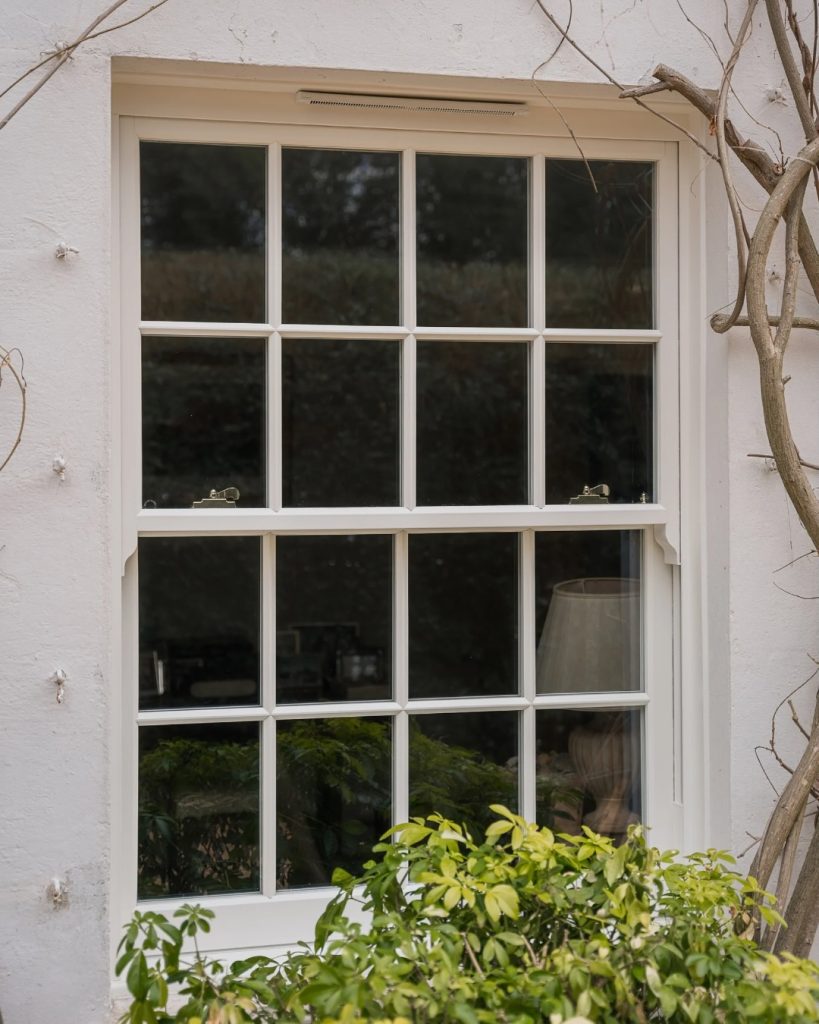
Trickle vents provide controlled background ventilation while your sash windows remain closed. Modern uPVC sash windows can be fitted with discreet ventilation options that help maintain airflow without requiring the windows to remain fully open. The Rose Collection offers several configurations, including the Eclipse concealed trickle vent system for Ultimate Rose and Heritage Rose.
Learn more about the available options on our energy efficiency and ventilation page.
Maintain a Comfortable Indoor Temperature
Consistent heating can help reduce condensation by keeping internal surfaces warmer. Allowing rooms to become excessively cold increases the likelihood of moisture collecting on windows and other cold surfaces. Maintaining comfortable temperatures, allowing warm air to circulate out the room and avoiding unnecessary temperature fluctuations can all help manage condensation.
Reduce Excess Moisture
Reducing the amount of moisture released into your home can help prevent condensation before it develops. Use extractor fans when cooking or showering, avoid drying laundry in poorly ventilated rooms and wipe away excessive moisture from window glass and surrounding surfaces. Where humidity remains consistently high, a suitable dehumidifier may also help manage moisture levels.
Can Energy-Efficient Sash Windows Reduce Condensation?
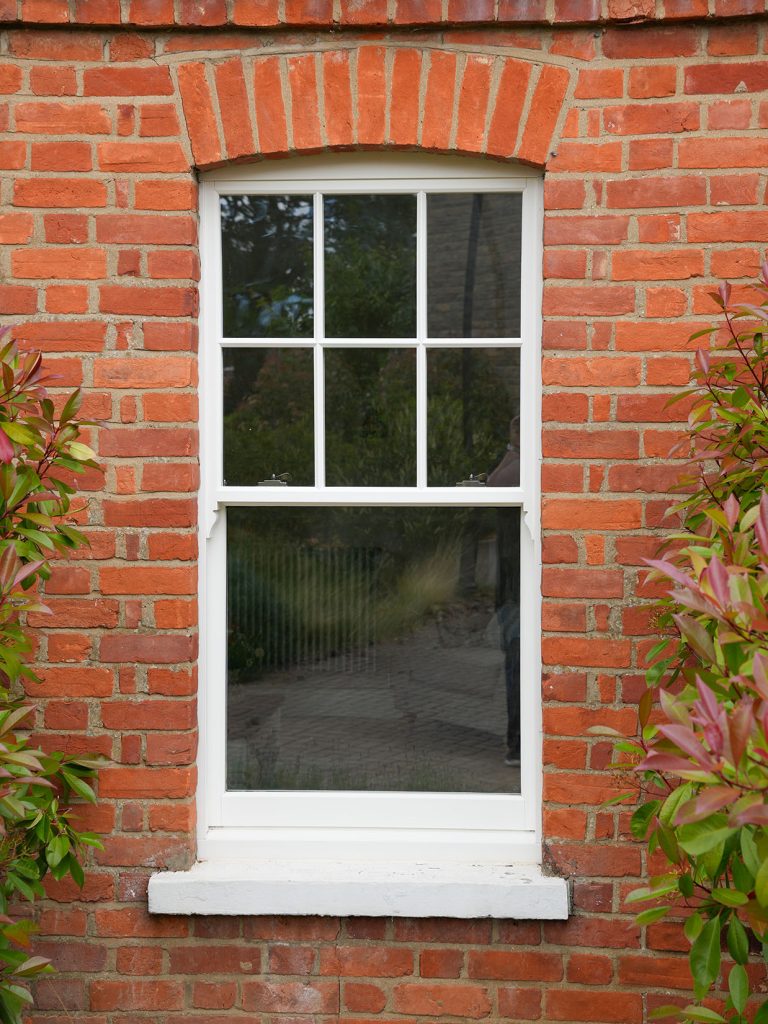
Modern energy-efficient sash windows can reduce condensation on the inner glass surface by improving insulation and limiting heat loss. The Rose Collection combines traditional timber-style aesthetics with modern glazing and thermal performance. Ultimate Rose, Heritage Rose and Charisma Rose are all A-rated for energy efficiency as standard.
Improved glazing helps keep the internal glass surface warmer, making condensation less likely under comparable indoor conditions. However, replacement windows cannot eliminate moisture produced by everyday activities. Adequate ventilation remains essential, particularly because modern windows are generally more airtight than older designs.
Keep Your Sash Windows Comfortable with Roseview
Keeping condensation out of your sash windows starts with understanding the cause, improving ventilation and maintaining appropriate indoor conditions. If your existing windows suffer from poor insulation, extensive deterioration or failed glazing, upgrading to modern uPVC sash windows may help improve comfort and thermal performance. The Rose Collection offers three timber-alternative sliding sash window designs that combine authentic period character with contemporary energy efficiency and practical ventilation options.
Explore our uPVC sash window collection or find your nearest approved installer to discuss the right solution for your home.
Categories: Rose Collection